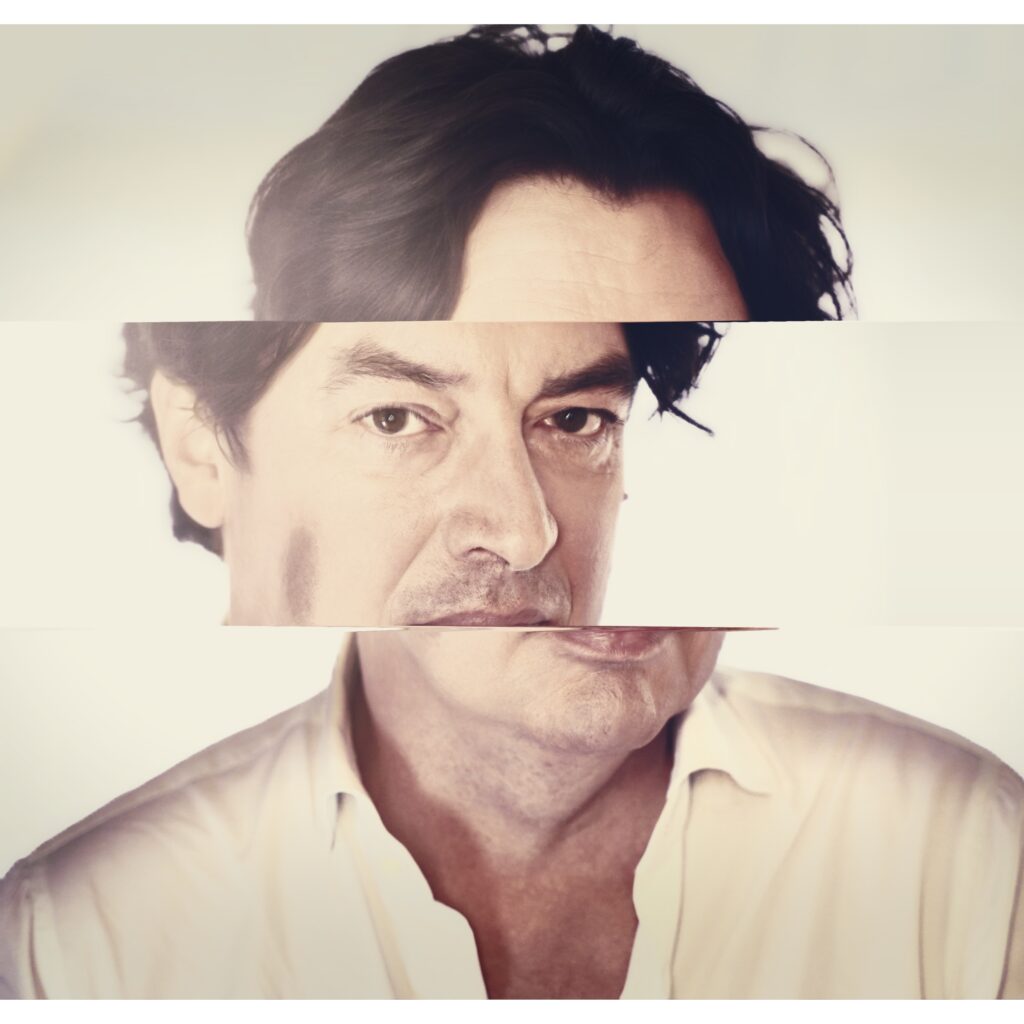
This Is Not David Bowie
When the Yuri Honing Acoustic Quartet reflects on David Bowie, it is about far more than a tribute to a rock icon. Bowie symbolizes an artistic attitude here: the constant urge to change, to break open boundaries, and to connect different worlds.
For Yuri Honing, Bowie was an important source of inspiration from an early stage. Not only because of the music, but especially because of the uncompromising way in which he continuously reinvented himself. At a time when many artists allowed themselves to be defined by expectations or genres, Bowie demonstrated that being different could actually be a strength. He turned change from a risk into an artistic principle.
That attitude strongly resonated with Honing’s own development. Even before music became central to his life, he was involved in the visual arts — painting, later sculpture — and he devoured books. Out of that broad cultural curiosity, his musical path also emerged: from jazz to improvisation, from pop and rock to non-Western music, classical influences, and electronics. Again and again, he sought out collaborations and new forms, not out of stylistic restlessness, but from the conviction that music must remain in motion.
Bowie served as an important example in this respect. Not only artistically, but also socially. His open perspective on identity, his sensitivity to the spirit of the times, and his ongoing search for innovation made him much more than just a musician for many people. He addressed themes that would only become widely felt years later. Honing also admired Bowie’s efforts to create space for African American artists, for example by publicly confronting MTV about its lack of diversity. For someone who grew up with American jazz music, that natural openness and cultural cross-pollination felt essential.
The relationship between the quartet and Bowie therefore is not about nostalgia or simply performing repertoire. The Yuri Honing Acoustic Quartet is not trying to imitate Bowie. The strength of this music lies precisely in reapproaching his work through its own musical language.
In this process, the so-called “reworks” method plays an important role. Fragments of Bowie’s compositions, harmonies, atmospheres, or artistic ideas are used as starting points for new pieces and interpretations. Sometimes a melody remains clearly recognizable; sometimes only the spirit of a song can still be felt. The focus is less on reproducing songs and more on exploring what Bowie represented artistically: freedom, transformation, and the bringing together of different influences.
That starting point lives throughout the entire quartet. The four musicians share a fascination with artists who refuse to be confined to a single style or identity. Bowie’s ability to continuously create new artistic contexts — while surrounding himself with exceptional musicians — also serves as a source of inspiration for them. Within the quartet, this creates a tension between composition and improvisation, between recognition and alienation, between intimacy and experimentation.
Their love for Bowie had already surfaced in earlier projects by Yuri Honing, including interpretations of songs such as ‘Bring Me the Disco King’ and ‘After All ‘— the latter has meanwhile been streamed millions of times. On the album ‘This is not David Bowie,’ that fascination reaches a new level. Not as a retrospective tribute, but as a search for what still makes Bowie relevant today.
Ultimately, this project is not only about Bowie himself, but about the question of how art can continue to move forward. How music can forge new connections without losing its own identity. And how an artist, just as Bowie once did, can remain faithful to curiosity and imagination — especially in a world that is constantly changing.
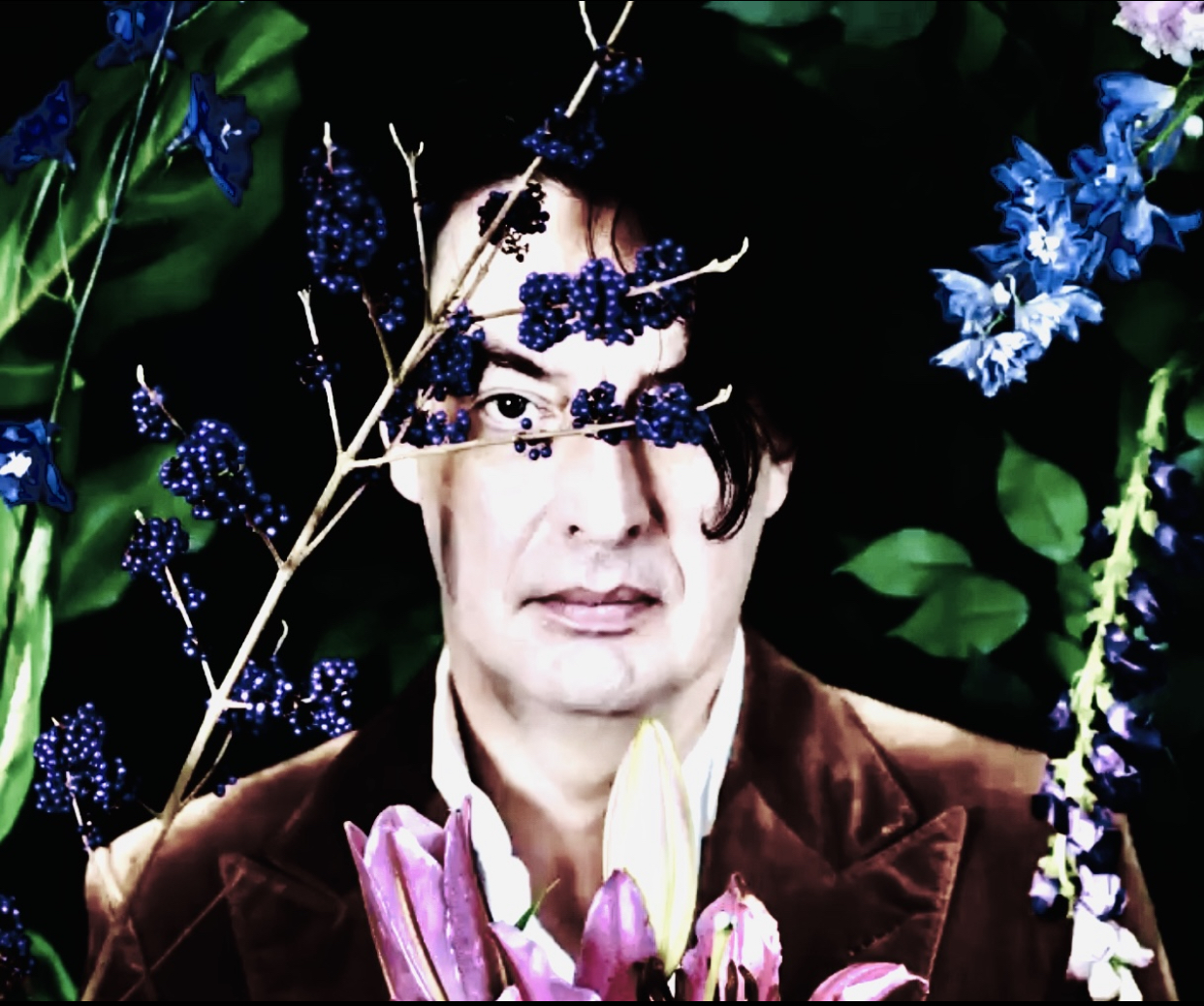
Yuri Honing Acoustic Quartet
‘Heaven on my mind’ is the fifth album by the Yuri Honing Acoustic Quartet and will be released in September 2023 for Challenge records.
After the thematic albums ‘True’ (2012 inspired by Berlin and David Bowie). ‘Desire’ (2015, an instrumental opera about longing), ‘Goldbrun’ (2017 a homage to Europe and Honing’s interest in European art music) and ‘Bluebeard’ (2020, a dark album mainly inspired by the 300-year-old fairy tale of the same name), there is now ‘Heaven on my mind’.
An album on which the quartet’s now decade-long existence undoubtedly pays off.
Not only is the almost telepathic way the band members communicate with each other an important feature; this fifth quartet album also clearly shows Honing’s love for Charles Lloyd, Pharoah Sanders and the freer acoustic jazz that emerged along with the 1960s hippie movement.
Yuri Honing tenor saxophone
Wolfert Brederode piano
Gulli Gudmundsson double bass
Joost Lijbaart Drums
More information: Joost Lijbaart , joostl@xs4all.nl
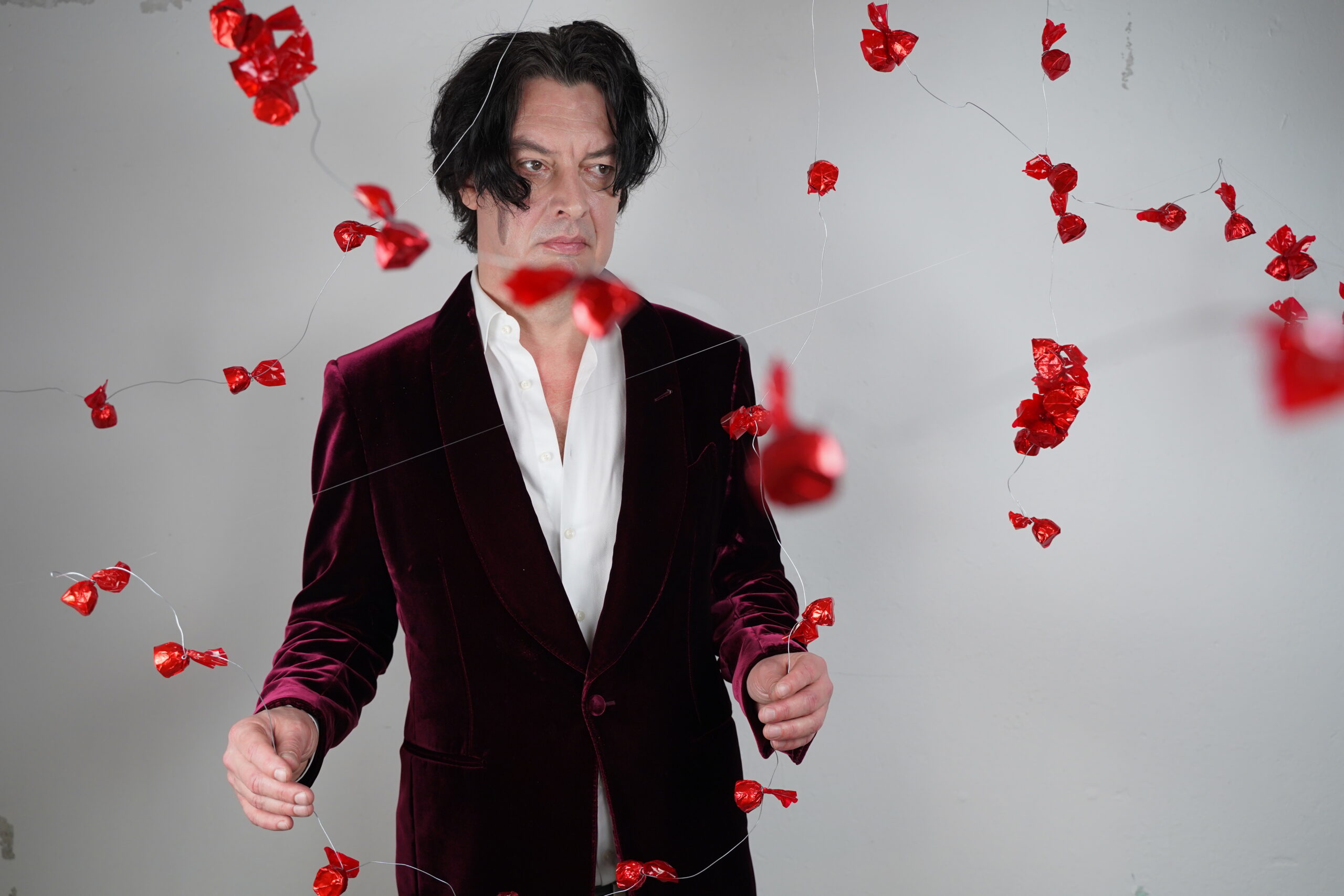
Yuri Honing’s Peace Orchestra
Yuri Honing’s Peace Orchestra was created in response to troubled times. After the global pandemic, the Dutch saxophonist thought it was time for a new sound that connects and inspires people. With a brand-new all-star line-up, musical boundaries blur into a hopeful sound.
Inspired by the likes of Pharoah Sanders’ masterpiece The Creator has a Masterplan and the music of Charles Lloyd and Sun Ra, Honing and his Peace Orchestra reinterpret the freer forms of jazz from the 1960s and 1970s, combined with modern electronics.
Yuri Honing tenor saxophone
Remy van Kesteren harp & electronics
Ella Zarina guitar
Tony Overwater double bass & bass guitar
Yoràn Vroom drums
Listen:
More information : Yuri Honing , yurih@xs4all.nl
‘Een prachtig klankbeeld in composities die steeds laag voor laag werden opgebouwd, met de fraaie lange noten van Honing vaak als laatste bouwsteen in mooi naar climax voerende sculpturen’
-Volkskrant, Gijbert Kamer
‘Saxofonist Yuri Honing bleek met zijn Peace Orchestra alles in zich te hebben voor een aangrijpend concert dat lang de aandacht vasthield. Zijn jazz, met onder meer prikkelend spel van harpist Remy van Kesteren, was uit op verbinding mét boodschap.’
-NRC, Amanda Kuyper

Yuri Honing & Wolfert Brederode
‘Raak en diep’, schreef de Volkskrant over Avalon Songs van saxofonist Yuri Honing en pianist Wolfert Brederode. Het album werd geïnspireerd door de oude Keltische mythe van een eeuwig in nevelen gehuld eiland, waar King Arthur begraven zou liggen en waar zijn zwaard Excalibur gesmeed zou zijn; een metafoor voor een tijd waarin iedereen voelt dat alles zal veranderen, maar niemand weet hoe.
Avalon Songs bevat naast composities van Honing en Brederode ook klassiekers van Marlene Dietrich en Billy Strayhorn, die op een minimalistische, bijna impressionistische manier worden uitgevoerd. Yuri Honing staat al jaren aan de internationale top en werkte met talrijke grootheden als Pat Metheny, Paul Bley en Charlie Haden. Wolfert Brederode maakte indruk met zijn albums op het gerenommeerde label ECM.